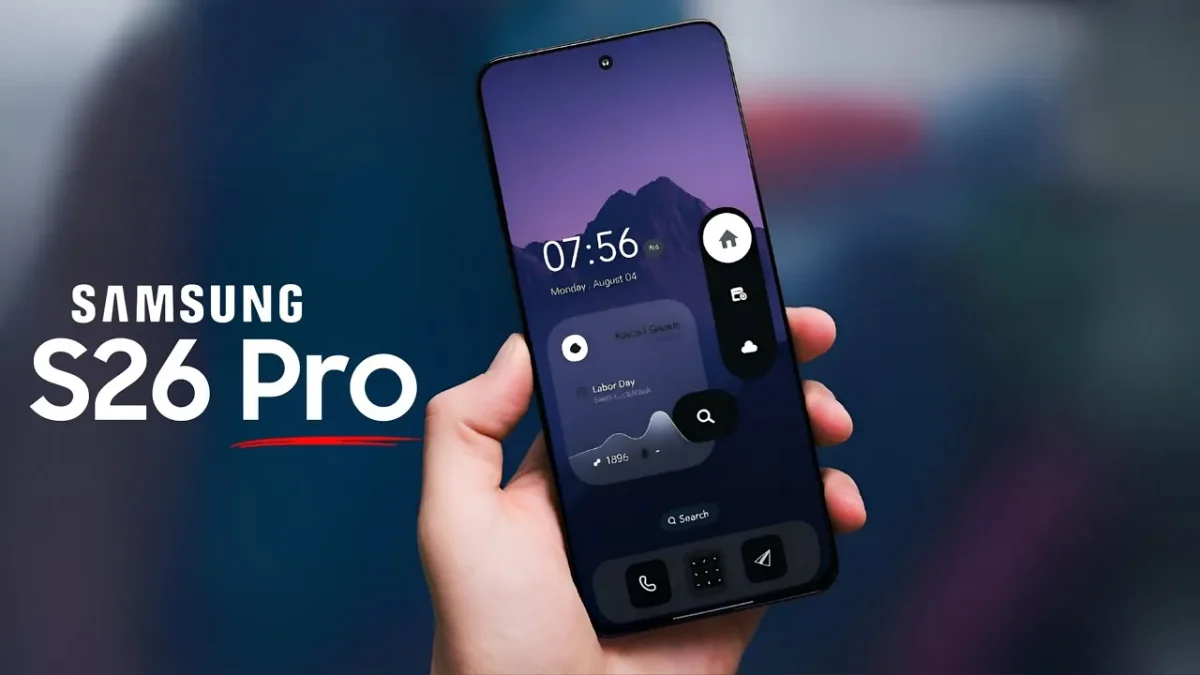
Samsung Galaxy S26 Pro is poised to redefine its flagship smartphone lineup with the highly anticipated Galaxy S26 series. This new generation of devices combines technological innovation, strategic cost management, and a renewed focus on in-house development. A standout feature of the series is the potential reintroduction of Samsung’s Exynos processors, including an innovative 2-nanometer chipset. This move underscores Samsung’s ambition to deliver high-performance devices while maintaining a competitive edge in the global smartphone market.
A Refined Samsung Galaxy S26 Pro Lineup
Samsung is reportedly streamlining its Galaxy S26 lineup by replacing the standard and Plus models with the Galaxy S26 Pro and Galaxy S26 Edge. This strategic shift simplifies the product range, offering consumers clearer choices tailored to their preferences. The Galaxy S26 Ultra will remain the flagship model, showcasing Samsung’s most advanced features and technologies. By refining its lineup, Samsung aims to make its offerings more accessible while enhancing its market positioning. This approach not only caters to a broader audience but also strengthens the brand’s identity in a highly competitive industry.
The 2-Nanometer Exynos Chipset: A Leap in Processor Technology
At the heart of the Galaxy S26 Pro and S26 Edge lies Samsung’s innovative 2-nanometer Exynos chipset. This innovation represents a significant advancement in processor technology, designed to deliver superior performance and energy efficiency. The 2-nanometer process allows for a higher density of transistors, allowing faster processing speeds and reduced power consumption. For users, this translates to smoother multitasking, extended battery life, and an overall enhanced smartphone experience. By addressing past criticisms of Exynos processors, Samsung is demonstrating its commitment to continuous improvement and user satisfaction.
Why Samsung Galaxy G-Fold is Investing in In-House Chips
The decision to reintroduce Exynos processors is driven by multiple factors, including the rising costs of outsourcing chip production. Qualcomm’s Snapdragon processors, while renowned for their performance, come with a significant price tag. Additionally, TSMC, the leading chip manufacturer, has implemented price increases, further straining production budgets. By using its in-house semiconductor capabilities, Samsung can reduce reliance on external suppliers, manage costs more effectively, and potentially offer more competitively priced devices without compromising on quality. This strategic move also positions Samsung as a more self-reliant and adaptable player in the global tech landscape.
Confidence Boost from Tesla Collaboration
Samsung’s collaboration with Tesla on 2-nanometer chips for electric vehicles has bolstered its confidence in its semiconductor expertise. This partnership highlights Samsung’s ability to produce high-performance, energy-efficient processors for advanced applications. The knowledge and experience gained from this collaboration are expected to directly benefit its smartphone division, where the same 2-nanometer process will be applied to the Exynos chipset. This dual success not only strengthens Samsung’s position in the semiconductor industry but also reinforces its reputation as a leader in consumer electronics.
Snapdragon 8 Elite 2 Powers the Samsung Galaxy S26 Pro
While the Galaxy S26 Pro and S26 Edge are expected to feature Exynos processors, the Galaxy S26 Ultra will likely retain Qualcomm’s Snapdragon 8 Elite 2 chipset. This ensures that Samsung’s flagship model delivers top-tier performance, catering to power users and tech enthusiasts. Built on TSMC’s advanced process, the Snapdragon 8 Elite 2 is anticipated to offer exceptional speed, graphics capabilities, and AI performance. By diversifying its processor lineup, Samsung can balance cost efficiency with the need for premium performance in its high-end devices, making sure that each model in the series meets specific consumer demands.
Balancing Innovation with Market Strategy
Samsung’s approach to the Galaxy S26 series reflects a calculated balance between technological innovation, cost management, and market competitiveness. By diversifying its processor lineup, the company can reduce production costs while offering a range of performance options to consumers. The introduction of the 2-nanometer Exynos chipset, alongside the continued use of Qualcomm processors for flagship models, underscores Samsung’s commitment to delivering innovative technology across its product range. This strategy not only enhances the company’s ability to compete but also ensures that its devices remain relevant in an ever-evolving market.
What the Samsung Galaxy S26 Pro Series Offers You
The Galaxy S26 series marks a pivotal moment for Samsung as it redefines its smartphone lineup and chip strategy. Whether you prioritize performance, energy efficiency, or value, the Galaxy S26 series is designed to cater to a wide range of consumer needs. With the potential return of Exynos processors, the debut of a 2-nanometer chipset, and a focus on cost management, Samsung is positioning itself for long-term success in an increasingly competitive market. This series represents not just a new chapter for Samsung, but also an opportunity for users to experience next-level technology tailored to their preferences.
Also Like This Software !!!! Download Link